
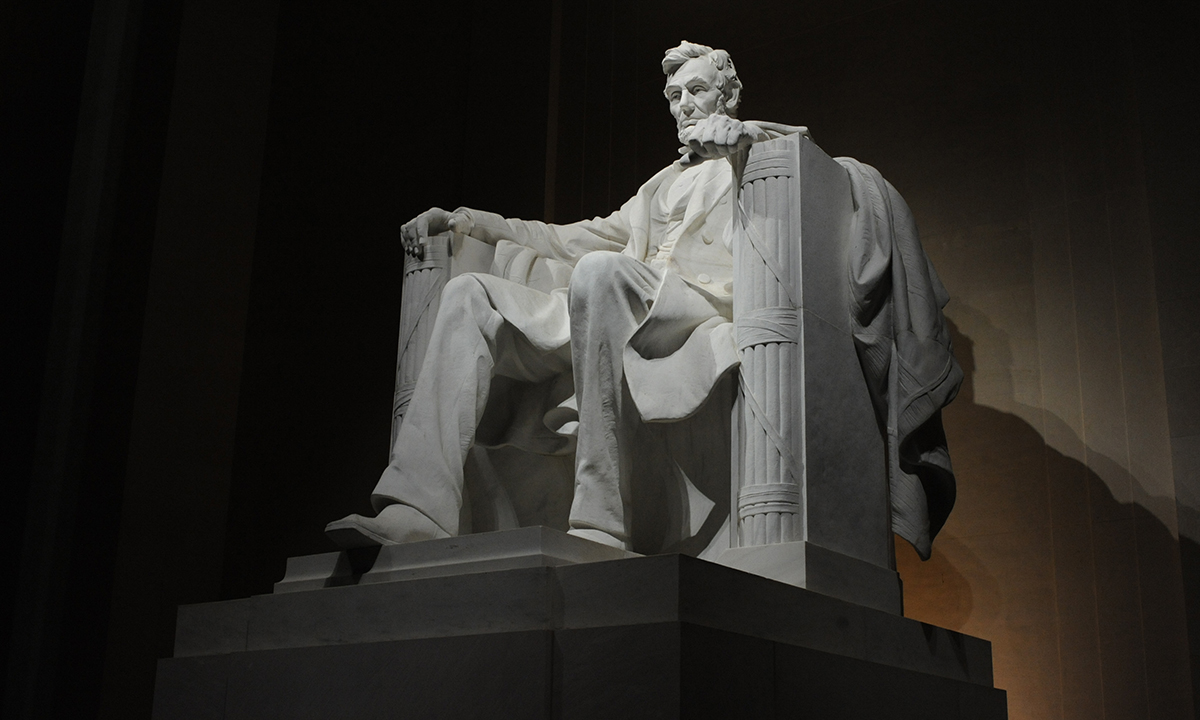
Abraham Lincoln is one of the most iconic, legendary, and prolific figures in American history and politics. His leadership and presidency helped shape and form America into a better nation. Yet, even though he accomplished many great things, he was not without his career failures and personal shortcomings.
What Lincoln’s Career Failures Can Teach Today’s Leaders
Every great leader, regardless of the era, industry, or country, faces setbacks and failures and has a resume of defeats. These failures and defeats do not define them, but instead help shape who they will become. Great leaders build their character and resolve by overcoming their setbacks and shortcomings. Some of the most important lessons to learn are often found in people’s darkest moments.
Abraham Lincoln was no exception. We remember Lincoln today because of his most significant accomplishments: the Gettysburg Address, modernizing the American economy, preserving the Union, advocating for African American veterans, and issuing the Emancipation Proclamation, which paved the way for the ratification of the United States Constitution’s 13th Amendment. However, there is also a great deal to learn from this remarkable man’s failures.
5 Leadership Lessons from Lincoln’s Career Failures
1. How Grit and Resilience Helped Lincoln Rise After Failure
Abraham Lincoln failed in both the business world and early in his political career:
- In 1832, Abraham Lincoln was unsuccessful in his attempt to run for the Illinois State Legislature.
- He also had failed bids for the U.S. Senate in 1855 and 1858.
Even so, Lincoln continued to move forward. He never quit. He never stopped learning. He exhibited grit and resilience.
Grit and resilience are among the most valuable character traits of a leader. Grit and resilience will help you navigate through tough times and push you beyond your limits. When you learn how to exercise your grit and resilience, you know that failure isn’t final and that you can continue to move along.
Imagine if Abraham Lincoln had quit. Imagine if he decided to feel sorry for himself. Instead, he learned from his failures, demonstrated courage, and continued with his mission.
Put Grit Into Practice: Don’t Quit When It Gets Tough
You will experience setbacks. You will have moments where you will be challenged to quit and give up. Don’t let the difficult circumstances discourage or push you down. Let the difficult times shape and solidify your grit and resolve. If you don’t quit, in the end, you will win.
2. Staying Focused on Vision Through Personal & Political Loss
Abraham Lincoln experienced numerous losses in his life. He lost politically, as mentioned above; he was rejected in the military when he made a failed attempt to become a captain during the Black Hawk War; and, most deeply, he suffered personal loss:
- The loss of Ann Rutledge, his first love
- The loss of his sons, Edward Baker Lincoln (aged 3) and William Wallace Lincoln (aged 11).
Lincoln also dealt with his wife, Mary Todd Lincoln’s, depression due to the loss of their sons, along with his sadness and depression from all the pain he experienced in his life.
Even with all of these personal losses and setbacks, Lincoln remained focused on the vision he held for America. He believed in the future of America and fought to abolish slavery and end the Civil War. Although he was met with a lot of pushback, criticism, and ultimately assassinated for his stance and beliefs, he never wavered on the issue of freeing Black African Americans from slavery.
Fuel Your Team with a Clear Vision for the Road Ahead
As leaders, having a strong vision for the future is essential. As it states in Proverbs 28:19, “Where there is no vision, the people perish.” A clear vision for the future will keep you moving forward when dealing with loss. When you know where you and your organization are headed, you will have the resolve to persevere through every loss and obstacle.
Vision not only keeps you moving forward, but it inspires the entire organization to unify and to work together to fulfill what they see. Show your team what the future could look like. Spell it out. Show them where you are going. When you do this, people will follow you even when circumstances are working against them. People need hope for a promising future, which you provide by having a strong vision.
3. Why Flexibility Was a Turning Point in Lincoln’s Career
Abraham Lincoln had to learn the art of being flexible when necessary. Early in Lincoln’s career, Abraham had the desire to be a captain during the Black Hawk War. He was unfortunately rejected. This unforeseen setback ultimately forced him to change his career, which led to his entry into politics and, eventually, the presidency of the United States.
Once Abraham Lincoln became President of the United States, he faced considerable pushback on his decision regarding the strategy for the Civil War. He struggled to unify his cabinet and military leaders. Due to these challenges, he had to learn how to be flexible and adapt to new approaches and ideas, which ultimately contributed to his victory in the Civil War.
Adapt Your Strategy—But Stay True to the Mission
Everyone has an ideal plan or a way they think things should go. Ideas and strategies are great, but once they are put into execution, they can really get tested and oftentimes backfire and fail.
As leaders, it’s essential to remain adaptable and flexible. Be willing to pivot and change strategies and plans. Include other voices to get a variety of perspectives and ideas. When things don’t go as you thought they would, learn from those moments and make the necessary adjustments. Good leaders remain flexible with strategy while also remaining faithful to their principles and vision.
4. Leading Through Criticism: Lincoln’s Courage Under Pressure
Once President of the United States, Abraham Lincoln faced significant criticism from both opposing political opponents and within his party. The opposing political party dubbed his ideas too radical, especially when it came to the Emancipation Proclamation and the abolition of slavery. His political party claimed he wasn’t doing enough and was acting too slowly when it came to abolishing slavery. He was too much and not enough all at the same time.
Even though he faced criticism, he learned how to roll with the punches and not let it stop him from moving forward with the plans he had for America.
Learn from Criticism Without Letting It Define You
When you decide, you divide. Some people will agree, others will disagree, and some will be on the extremes on both ends. Leaders must be open to criticism. It comes with the territory. You must make tough decisions that will affect everyone in your organization, and not everyone will be happy with the outcome.
People struggle with change. As a leader, you need to continually improve your organization and absorb the challenges as they arise. Be ok with criticism. Expect it. Remember that people’s criticisms don’t define who you are or your value. What you are trying to accomplish is too important to let criticism slow you down.
Andy Stanley says, “If someone gives you feedback and 90% is a lie but 10% of what they’re saying is true, learn from that 10%.” This is a great way to view criticism and feedback. If some of the criticism is true, learn from it and move on. View it as an opportunity to grow.
5. Lincoln’s Early Business Failure—and the Financial Wisdom It Taught
Earlier in Abraham Lincoln’s life and career, he was involved in several business endeavors. One of these business ventures was to purchase and manage a general store located in New Salem, Illinois. He entered the business with a member of his militia, William F. Berry.
The general store would often take the form of a local tavern. The business started well but eventually fell apart and was forced to close. Abraham Lincoln was burdened with debt from the business, which he was unable to pay off until he became a member of the United States House of Representatives in 1847.
Master Money Early—or Risk Paying for It Later
Lincoln and Berry’s poor financial management of the general store led to their business failures. Financial management can be a hard lesson to learn due to the implications it can have on one’s life.
As a leader, it’s imperative to learn how to manage finances properly. Learn how to set a budget, follow the budget, and work a balance sheet. Look for ways to save money and cut costs. Ultimately, every organization, business, company, and household has financial responsibilities. Learn these essential financial lessons early so that you can manage your budgets and finances, rather than having them manage you. (Dave Ramsey and Jeremy Krulikowski are great resources to help in this area.)
Why Lincoln’s Career Failures Still Matter Today
Abraham Lincoln was a remarkable historical figure who profoundly changed the future of the United States of America. He lived a difficult life that pushed him to the forefront of change and helped pivot America toward a much-needed future. Apply the lessons above to see change and progress in both your personal life and your organization.
Frequently Asked Questions
Here are some common questions Christian professionals might ask:
1. How can Lincoln’s setbacks inspire modern Christian professionals?
Lincoln’s professional and personal setbacks can inspire Christian professionals by reminding us that failure is a part of leadership growth. Be encouraged and persevere through adversity with resilience, vision, and moral conviction.
2. How did Lincoln’s personal losses affect his leadership?
The personal failures in Lincoln’s life deepened his empathy while simultaneously strengthening his moral resolve. These failures taught him to stay focused on a greater purpose despite grief and depression. And they motivated Lincoln in his fight to unite the nation and abolish slavery.
3. Why is financial responsibility included in Lincoln’s leadership lessons?
Lincoln’s early business failure left him in debt, teaching him the importance of managing his finances wisely. As working professionals, we can take this as a lesson that sound financial practices are essential for lasting leadership impact.
Was this article helpful? You might also enjoy:


